CardSense
Football scanner
Football Card Scanner: Identify NFL Cards from a Photo
Quarterbacks, rookie classes, and numbered parallels that look like the base card until you catch the foil. A photo is faster than guessing the set from memory.
Direct answer
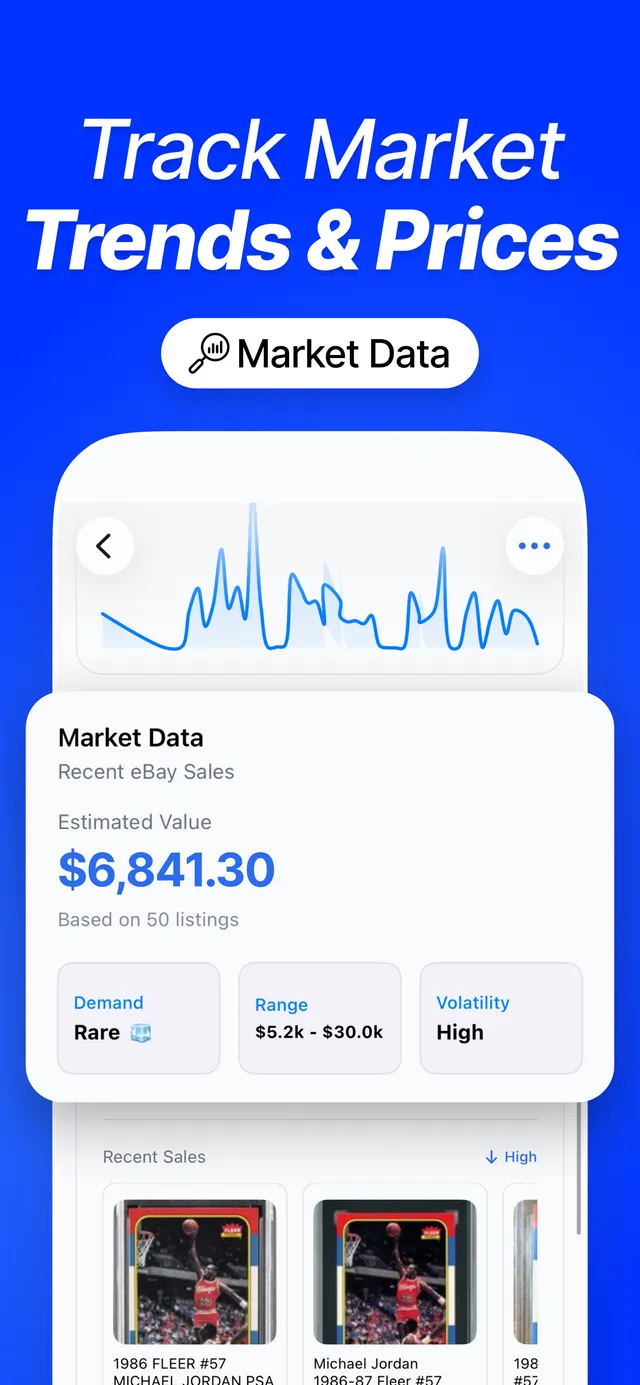
A football card scanner identifies an NFL card from a photo and returns an estimated market value. CardSense reads player, team, year, set, card number, and rarity, then shows comps from recent eBay sales. It handles base rookies, colored parallels, autographs, and memorabilia cards.
Why football cards are easy to mis-identify
Modern football sets reprint the same rookie photo across a rainbow of parallels. Searching "Player Name rookie" online will surface the base card more often than the /99 you actually hold. RPAs add a patch and an autograph on top. The scan has to read those extras or the comps will be wrong. Football card values explains why quarterbacks and RPAs dominate the high end.
What to check after the scan
Look at year, set, and card number first. Then look at whether the app marked a parallel, autograph, or memorabilia variant. If the card has a serial stamp in the corner, that stamp should match the ID. Then read the eBay estimate the same way you would a sold-listings search: average, median, range, not one outlier.
Working through a football binder
Pull quarterback rookies, anything with a patch or signature, and anything numbered. Scan those first. Commons from the junk-wax years can wait; most are not worth a long lookup. Save the keepers so you are not re-identifying them next season.
Foil, patches, and light
Football cards hide information in gloss. A serial number in a corner disappears in glare. A patch window looks like a color blob if you shoot from too high and too close to a lamp. Tilt the card, fill the frame, and use even light. The Confirm Card screen exists so you can retake before you spend a scan.
After identification, match the result to the physical card: year, set, number, parallel, autograph. Then read the eBay range. If you are pricing an RPA, comps for the base rookie are the wrong comps. The football values page is the market context; this page is the capture step.
When a football scan is the wrong tool
If you already know the set and you are pricing a six-figure RPA, you want a specialist and a stack of auction results, not a phone estimate. If the card is a junk-wax common of a backup linebacker, you do not need a scan to know it is a bulk lot. The middle is the use case: a binder of mixed rookies, a break leftover, an inherited box where half the cards are numbered and you cannot name the product.
CardSense is iPhone-only. If you need Android, this is not your scanner. If you need to list the card for sale inside the same app, look at marketplace apps in the comparison. This flow ends at identification, comps, and a vault.
Light from a window beats an overhead bulb on glossy football stock. If the serial number is in foil, tilt until it is readable in the photo. Retake is cheaper than a wrong parallel. Once the ID is right, the estimate is only as good as the recent sales behind it. Thin names bounce. Stars with lots of tape settle.
Sources
FAQ
Football scanner FAQ
Can a scanner tell a base football rookie from a numbered parallel?
That is the whole point of scanning instead of searching by player name. Parallels that share a photo still differ in foil, color, or a serial stamp. CardSense is built to pick those variants up; you should still confirm the number on the card matches the result.
Do I need a flatbed to scan football cards?
No. A phone camera is the scanner. Hardware document scanners show up in Google for this query; they are a different product. CardSense is an iPhone app.