CardSense
Worth check
What Are My Sports Cards Worth? Find Out in 3 Steps
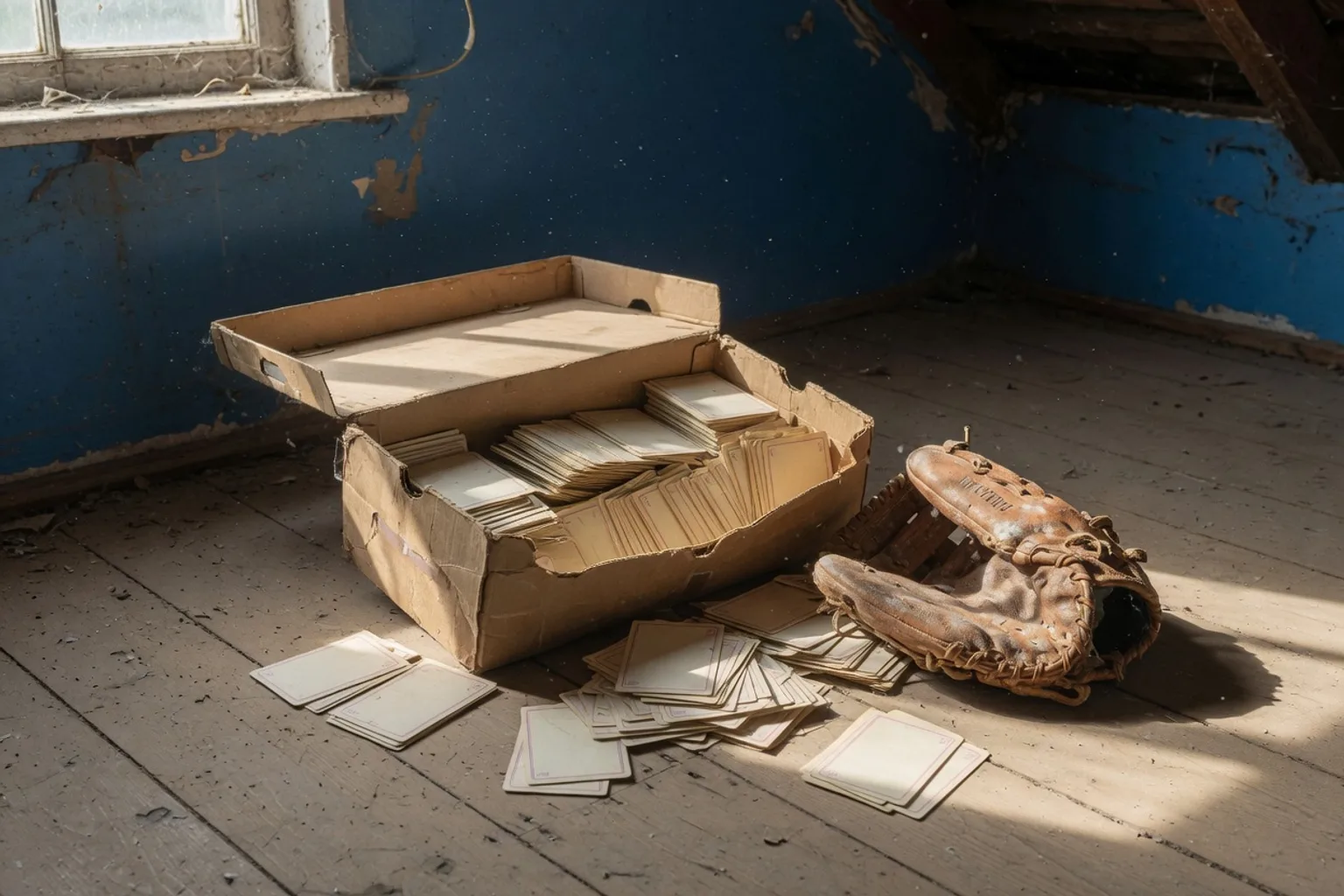
A shoebox in the attic or a binder from childhood: here is a three-step method to get from unknown cardboard to a real market number.
Direct answer
Your sports cards are worth what buyers recently paid for the same cards in the same condition. Identify each card exactly (year, set, number, variant), judge condition honestly, then compare recent sold prices. A scanner app can run that lookup from a photo.
Step 1: Identify exactly which card you have
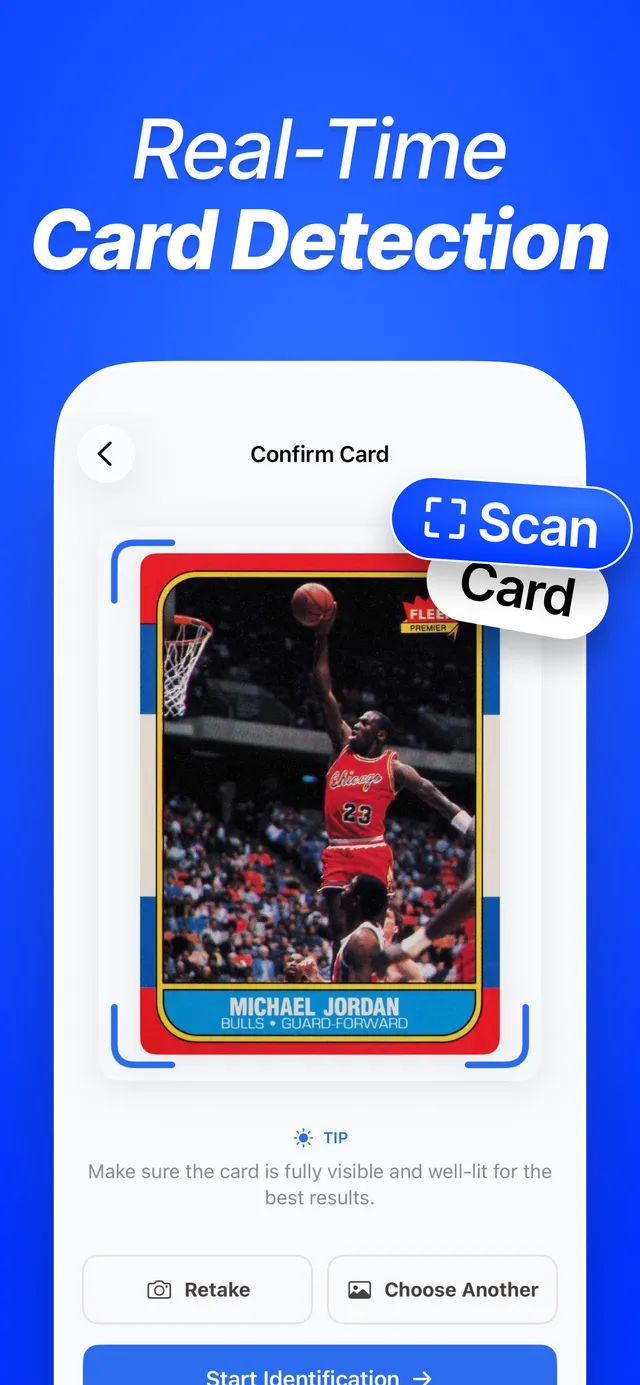
"A Michael Jordan card" is not enough. His cards span decades, dozens of sets, and thousands of versions. You need player and team, year and set, card number, and variant markers (foil, color, serial number, autograph, RC logo).
That identification step is where manual lookups go wrong, and it is what a sports card scanner automates from a photo.
Step 2: Assess the condition honestly
Condition is the multiplier. Collectors and graders judge four things.
- Corners - sharp, or rounded and frayed.
- Edges - clean, or chipped.
- Surface - scratches, print lines, stains, creases.
- Centering - even borders, or not.
Step 3: Compare recent sold prices
With the exact card and its condition known, look at what that card actually sold for, not what sellers are asking. Read the average, the median, and the range. How to check sports card prices walks through each number.
How to find value of sports cards in a mystery box
The attic-box method:
- Sort by era. The back usually shows a copyright year. Pre-1980 cards deserve individual attention; 1987-1993 cards are mostly mass-printed.
- Pull the obvious candidates: stars, rookies, autographs, serial numbers, anything that looks premium.
- Scan the candidates and let the estimates tell you where to spend time. Save them into a folder so you build an inventory.
- Do not toss the rest carelessly. Sentimental value is real, and bulk lots of commons still find buyers.
Sell, grade, or keep?
- Sell when the current price meets your goal, especially around a career peak.
- Grade when a card is valuable and clean enough that a certified grade would beat the fee. See sports card grading.
- Keep and track. CardSense updates a collection total so you can decide later with fresh comps.
How to find the value of sports cards you cannot name
This is the actual attic problem. You do not know the set. The back is in a language you do not collect. The foil pattern does not match the two sets you remember from childhood. Manual lookup here means flipping through checklists until something matches the photo, which is how people spend an evening and still price the wrong parallel.
Work in batches. Photograph a stack in decent light. Identify each card. Save anything with a real number attached. Leave the rest in a "look later" pile instead of throwing it out. Junk-wax commons are still easier to move as a bulk lot than as 400 individual listings.
If a card comes back with a wide range, that is information. Wide range usually means thin trading, mixed condition in the comps, or a variant the market does not agree on. Do not pick the high end because it feels better. Pick the median and move on unless the card is valuable enough to justify a longer search.
Sources
FAQ
Worth check FAQ
Are sports cards from the 1980s and 1990s worth anything?
Most cards from roughly 1987 to 1993, the junk wax era, were printed in such volume that even star-player commons trade for very little. Exceptions are key rookies of all-time greats in top condition, and scarcer premium sets from the early 1990s.
Which cards in a collection are most likely to be valuable?
Start with rookie cards of stars and Hall of Famers, anything serial-numbered or autographed, memorabilia cards, and vintage cards from before about 1980. Sharp corners and clean surfaces are what separate a keeper from a common.