CardSense
Baseball guide
Baseball Card Values: What Are Your Cards Worth?
Baseball is where card collecting began, and it is still the deepest market. Era sets the stage; player, rookie status, scarcity, and condition do the rest.

Direct answer
Baseball card values depend on the era, the player, rookie status, scarcity, and condition. Vintage cards (roughly pre-1980) and key modern rookies in high grades hold the most value. Mass-printed cards from 1987-1993 are usually worth little. Real value is what buyers recently paid for the same card in the same condition.
What drives baseball card values
Baseball uses the same five factors as every sport (see the sports card value guide), but the era of the card sets the stage. Star power on a 1950s Topps card is a different market from a 1990 mass-market card of a similar caliber player.
Baseball card values by era
| Era | Years (approx.) | What it means for value |
|---|---|---|
| Pre-war | Before 1945 | Tobacco and gum cards (T206, Goudey). Genuinely scarce; even worn key cards attract serious collectors. |
| Vintage | 1945-1979 | Classic Topps decades. Star cards and rookies are blue chips; condition is everything because few survived well. |
| Junk wax | 1987-1993 | Massive overproduction. Most cards are commons; only top rookies in top grades and scarcer premium issues stand out. |
| Modern | 1994-today | Engineered scarcity: numbered parallels, autographs, first Bowman Chrome, and flagship rookies. |
Rookie cards and the sets that matter
The rookie premium is amplified by prospecting. Collectors buy minor-leaguers hoping to hold a future star's first card.
- First Bowman Chrome: often issued years before an MLB debut. The modern chase card.
- Flagship Topps RC: the licensed rookie most casual collectors recognize.
- Vintage flagship rookies: the cards that built the hobby, where grade gaps are enormous.
Junk wax vs vintage, in practice
If your box is full of 1988-1992 glossy rookies in rubber-banded stacks, assume common until a scan says otherwise. The print runs from those years are the reason "old" and "valuable" parted ways. A Hall of Fame rookie from that window can still be real money in a high grade. The same player's 15th card from the same year is usually not.
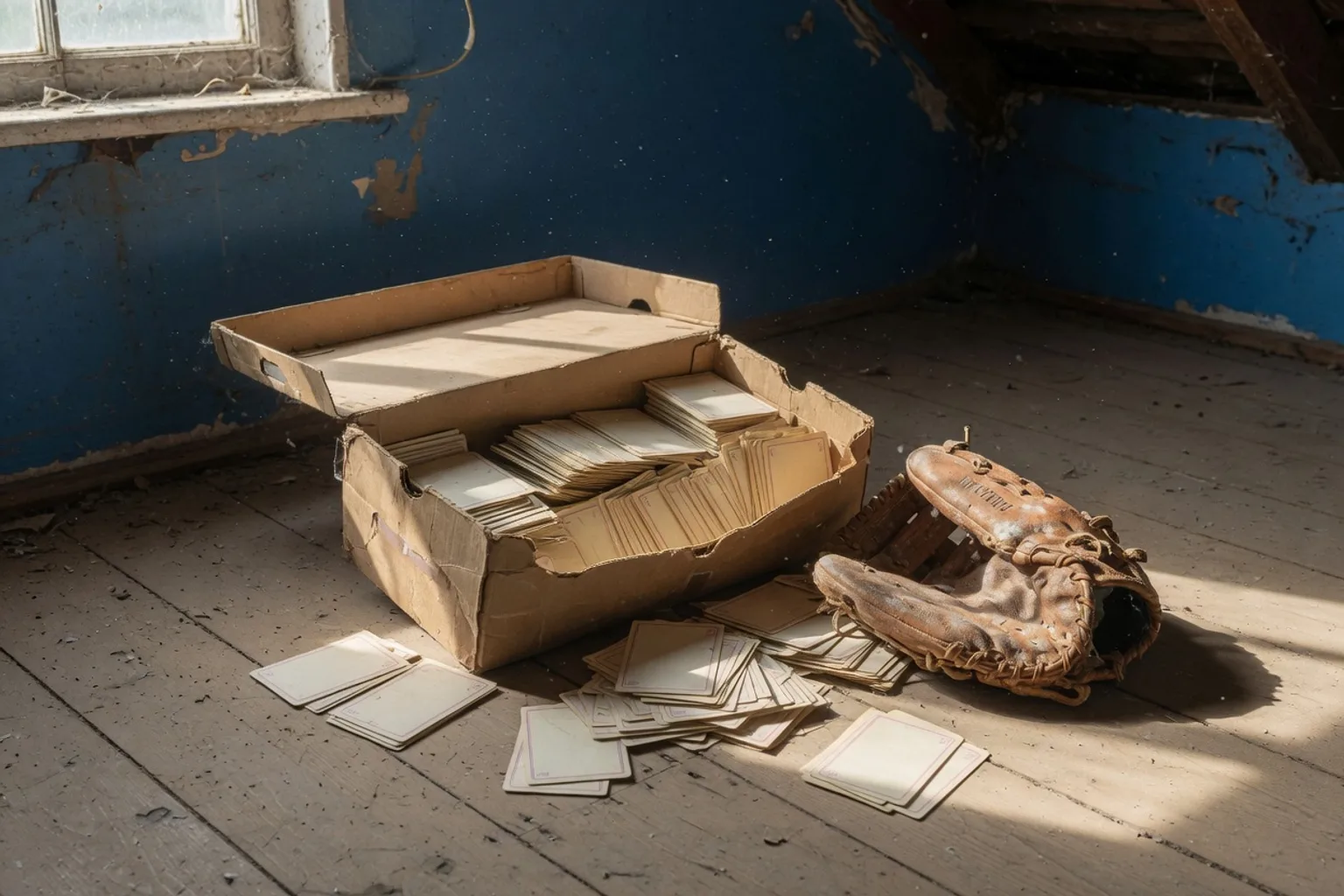
Vintage is the opposite problem: survival. A 1950s or 1960s star that spent 40 years in an attic may be the right card and still be a low-grade copy. Do not sandbag yourself by comparing it to a PSA 8 auction result you saw on a highlight reel. Compare it to other worn copies of the same number.
How to check a baseball card you cannot name
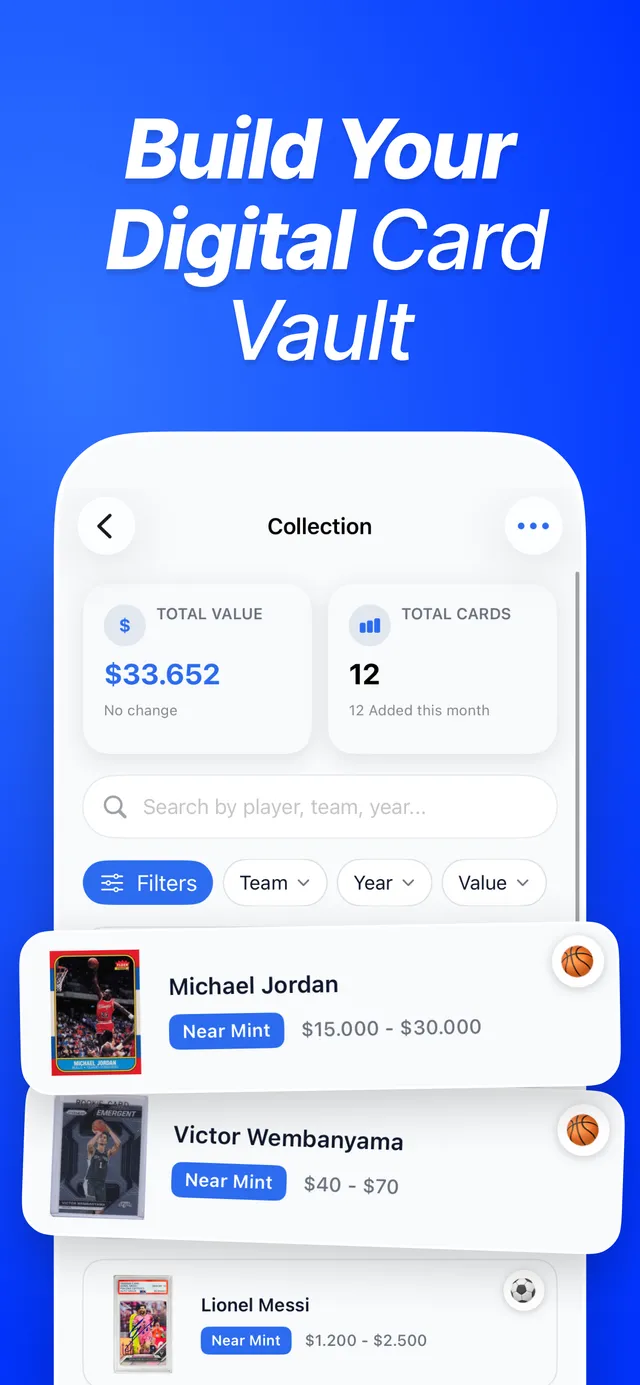
Read the copyright line and the card number on the back. Note any RC mark, any foil pattern, any serial stamp. If the back is bilingual, you may be holding an O-Pee-Chee-style issue even on a baseball card from a shared design language, so do not assume Topps. Then either search those details as sold listings or photograph the card and let the scanner propose the set.
Once you have the exact name, jump to scanning baseball cards if you have a pile, or stay on sold comps if you have one card and already know the set. The three-step worth method is the same here as in any other sport. Baseball just has more lookalikes.
Sources
FAQ
Baseball FAQ
Are baseball cards from the 1980s and 1990s worth anything?
Most cards from 1987-1993, the junk wax era, are worth very little because of enormous print runs. Exceptions are iconic Hall of Fame rookies in top graded condition and some scarcer premium issues from the early 1990s.
What is a baseball rookie card?
A rookie card is a player's first officially licensed card in a major set. Modern collectors chase first Bowman Chrome prospect cards and flagship Topps rookies marked RC. Those usually carry the biggest premium of any card of that player.