CardSense
Grading guide
Sports Card Grading: How It Works and When It Pays
A professional grade turns "nice condition" into a number the market trusts. Here is how it works, what it costs you, and when the math actually works.
Direct answer
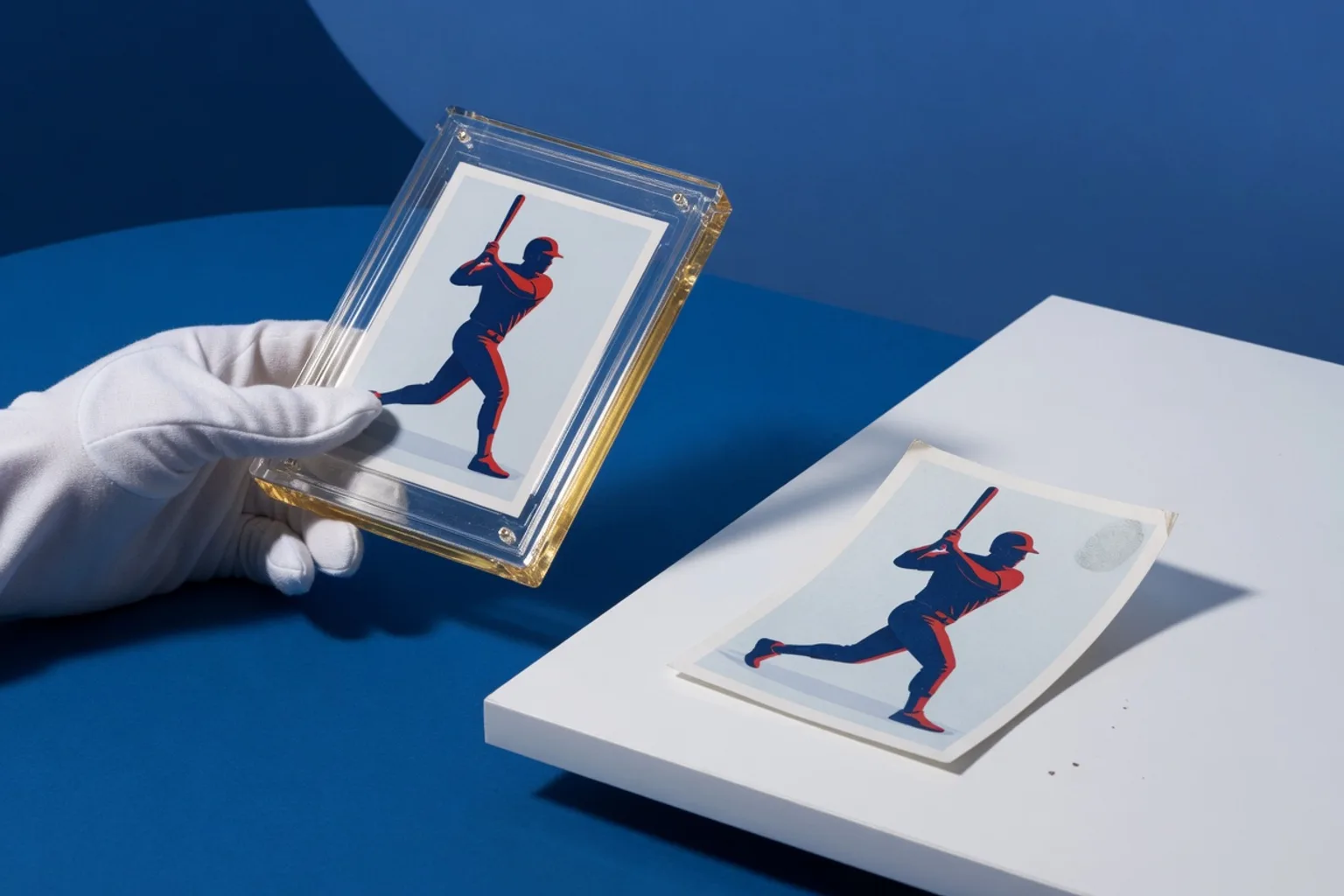
Sports card grading is a professional condition assessment: PSA, BGS, or SGC scores a card from 1 to 10 on centering, corners, edges, and surface, then seals it in a slab. Grading is worth it when the expected graded price minus the fee clearly exceeds what the card sells for raw.
What grading actually does
A grader inspects centering, corners, edges, and surface, assigns a number, and seals the card in a tamper-evident holder with a certification number. Buyers no longer have to guess condition from photos, so high-grade slabs trade more easily than raw copies of the same card.
PSA, BGS, and SGC
PSA is the largest and usually the most liquid market for slabs. BGS is known for subgrades and its Black Label. SGC has a strong vintage reputation. The "best" company depends on the card and where you plan to sell it, not a universal ranking.
The simple math before you submit
Take the recent sold price of the card raw. Take the recent sold price of the same card in the grade you honestly expect. Subtract the grading fee and shipping. If there is not a clear margin, keep it raw. Grading a junk-wax common almost never pays.
This app does not grade cards
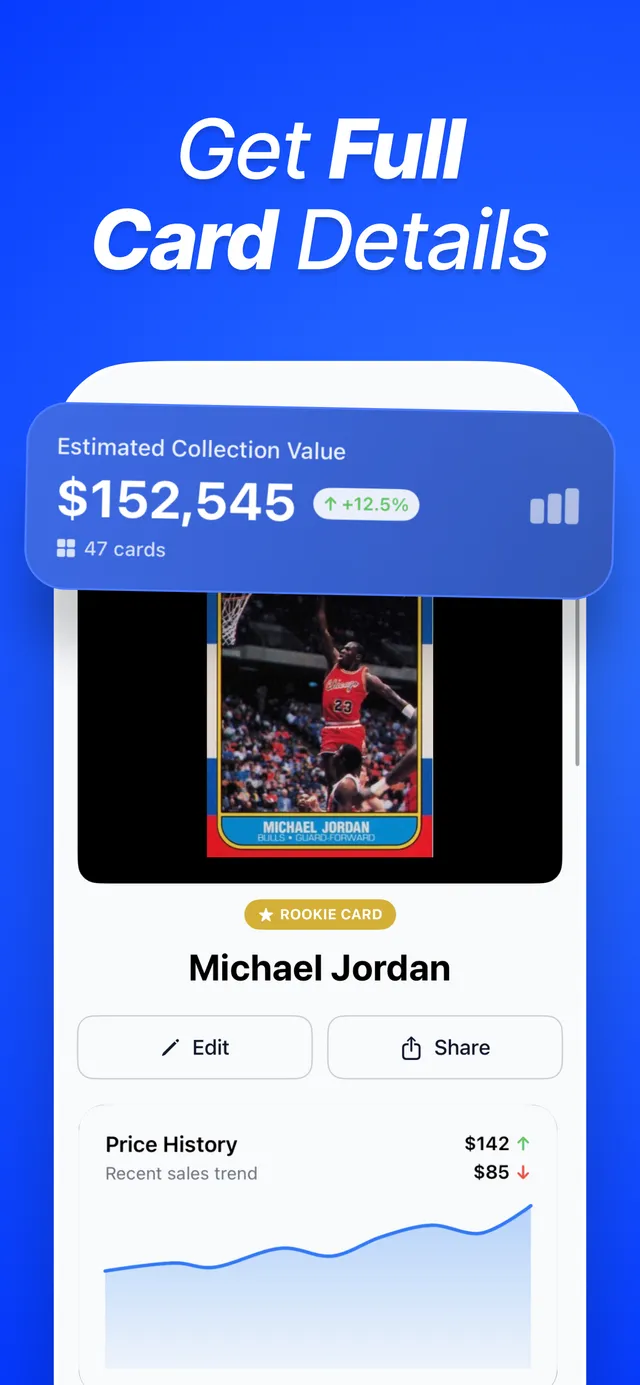
CardSense identifies a card and estimates a market value. It does not replace PSA, BGS, or SGC. Use the scan to decide whether a card is even in the conversation, then look at graded comps if the raw number is high enough.
What graders actually look at
Centering is the borders. A card that is obviously shifted left will not gem, even if the corners are knife-sharp. Corners are the easiest tell for a non-grader: look for fraying, dings, or whitening. Edges chip. Surfaces pick up scratches, print defects, wax stains, and roller marks that only show in raking light.
If you cannot describe those four things honestly, you are not ready to pick a grade target. "Looks pretty good in a toploader on my desk" is how people pay for a 6 and feel cheated. Pull the card out. Tilt it. Compare it to photos of known 8s and 9s of the same issue if they exist.
Fees, queues, and the cards that never pay
Grading is not free, and it is not instant. Economy tiers are cheaper and slower. Express tiers cost more. You also pay shipping both ways and, on some services, a special handling fee for older cardboard. Add those up before you compare raw and graded comps.
Mass-printed commons, damaged vintage, and modern base cards of role players almost never clear that hurdle. A $12 raw card that might be $25 in a 10 still loses if the fee is $20 and the card comes back a 9. Grade the cards where a single point on the scale is hundreds of dollars, not the cards where it is three.
Sources
FAQ
Grading FAQ
What does a PSA 10 mean?
PSA 10 (Gem Mint) is the top of PSA's 1-10 scale: a virtually flawless card with sharp corners, clean edges and surface, and strong centering. Because so few cards earn it, a 10 usually sells for a clear premium over a 9 of the same card.
Does grading always increase a card's value?
No. Grading adds a fee, and a low grade can hurt resale. It pays when the card is valuable and clean: expected graded price minus fee should beat the raw price. For common or worn cards, the math rarely works.