CardSense
Baseball checklist
What Baseball Cards Are Worth Money? A Checklist
A pile of cards is not a price list. These seven signs tell you which baseball cards deserve a sold-price lookup, and which ones are usually commons.
Direct answer
Baseball cards are most likely to be worth money when they are rookie cards of star players, in excellent condition, from older or low-print sets, autographed, serial-numbered, or professionally graded high. Most mass-produced cards from the late 1980s and early 1990s are worth little. To know for sure, check what the same card recently sold for.
7 signs a baseball card may be worth money
None of these signs is a sale price. They are a filter so you spend time on the cards that might actually trade, then you check recent sold listings for that exact version.
1. Rookie card of a star or Hall of Famer
A rookie card is a player's first widely collected licensed issue. Collectors treat it as the version to own, so a star's rookie usually outruns later cards of the same player. A rookie of a player who never became a star is still often a common. See rookie card values for how to name the real rookie. CardSense can flag rookie status from a photo; you still confirm the set line.
2. Condition (centering, corners, edges, surface)
Condition can multiply or destroy value. Check centering, corners, edges, and surface. A star card that is creased, stained, or badly off-center often sells like a lesser card. Be strict: "looks fine in a toploader" is not a grade.
3. Era and print run
Older vintage issues, especially from before the hobby's mass-production boom, survived in smaller numbers. Cards from the late 1980s and early 1990s, often called the junk wax era, were printed in huge quantities, so most are worth little even when they show a famous name. This page does not invent print-run numbers. Era is a hint, not a price.
4. Autographs and memorabilia (relic) cards
On-card or sticker autographs and cards with a jersey or relic swatch are a different product from the base photo. They usually need their own sold comps. CardSense lists autographs and memorabilia among the variants it identifies. Confirm the signature or swatch is on the card you are pricing.
5. Serial-numbered parallels and short prints
A gold foil or /99 stamp can make two cards that share a photo live in different markets. Short prints and numbered parallels need comps for that exact version, not the unnumbered base card. If you skip the parallel, you will look up the wrong sales.
6. Graded high
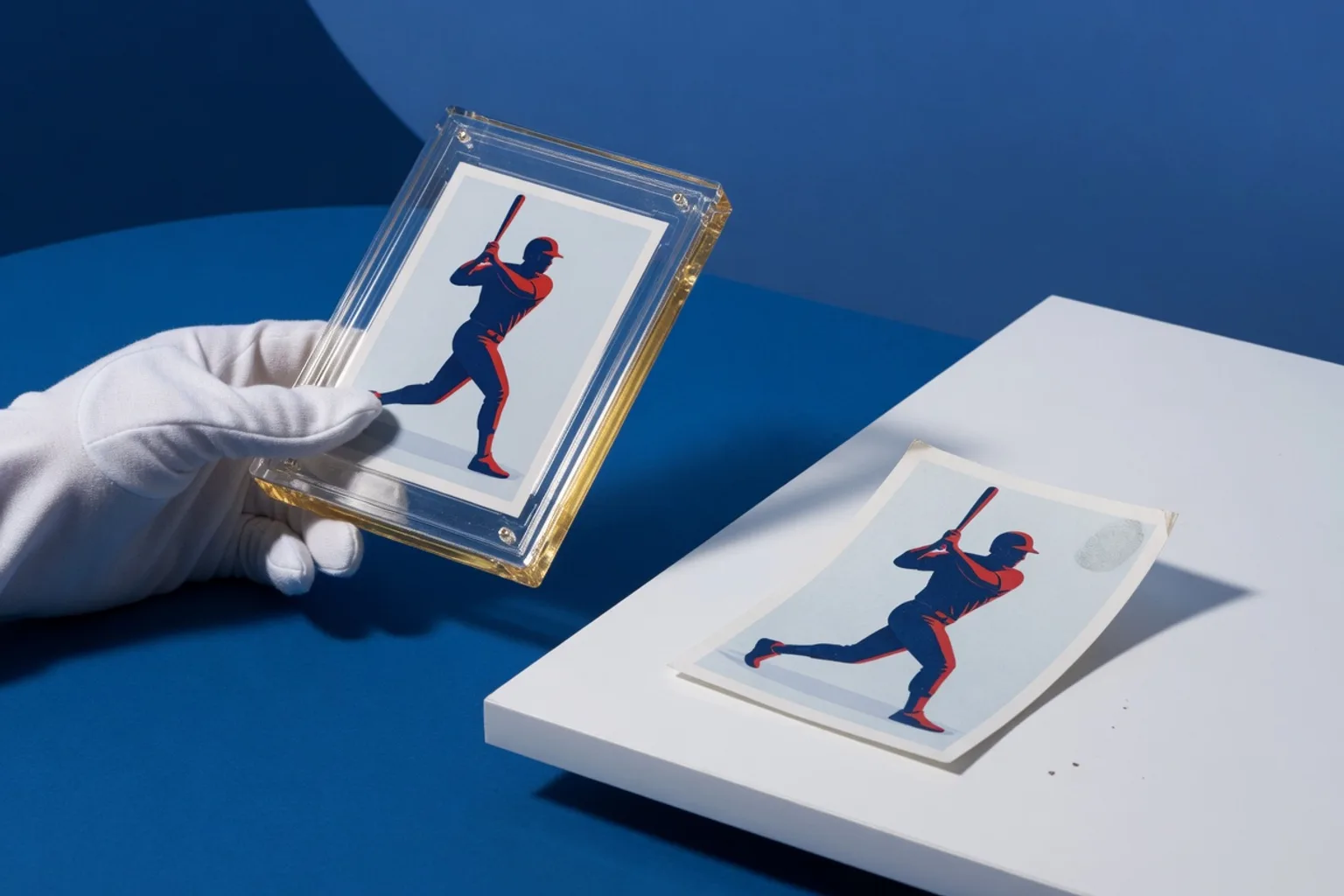
A high professional grade (PSA, SGC, CGC, or BGS) can lift a card that already has demand. Grading a common rarely pays. See how much it costs to get cards graded before you mail anything; this checklist does not repeat those fees.
7. Demand: recent sales, not asking prices
A listing price is a wish. A sold price is a data point. Demand moves with seasons, awards, and hype, so last year's screenshot can be wrong. If nobody is buying that version, the other six signs do not invent a market.
Cards that usually aren't worth much
Base commons from the late 1980s and early 1990s junk wax era are the usual miss: famous names, huge print runs, little scarcity. Damaged cards (heavy creases, writing, water stains, missing corners) of even good players often sit at the low end. Reprints and tributes that copy a vintage photo are a different card. When a stack is all of those, treat it as a bulk lot unless a scan flags something else.
How to check what your card sold for
Identify the exact card (player, year, set, number, parallel). Judge condition honestly. Then compare recent sold prices for that version, reading the average, median, and range instead of one outlier. How to check sports card prices walks through those numbers.
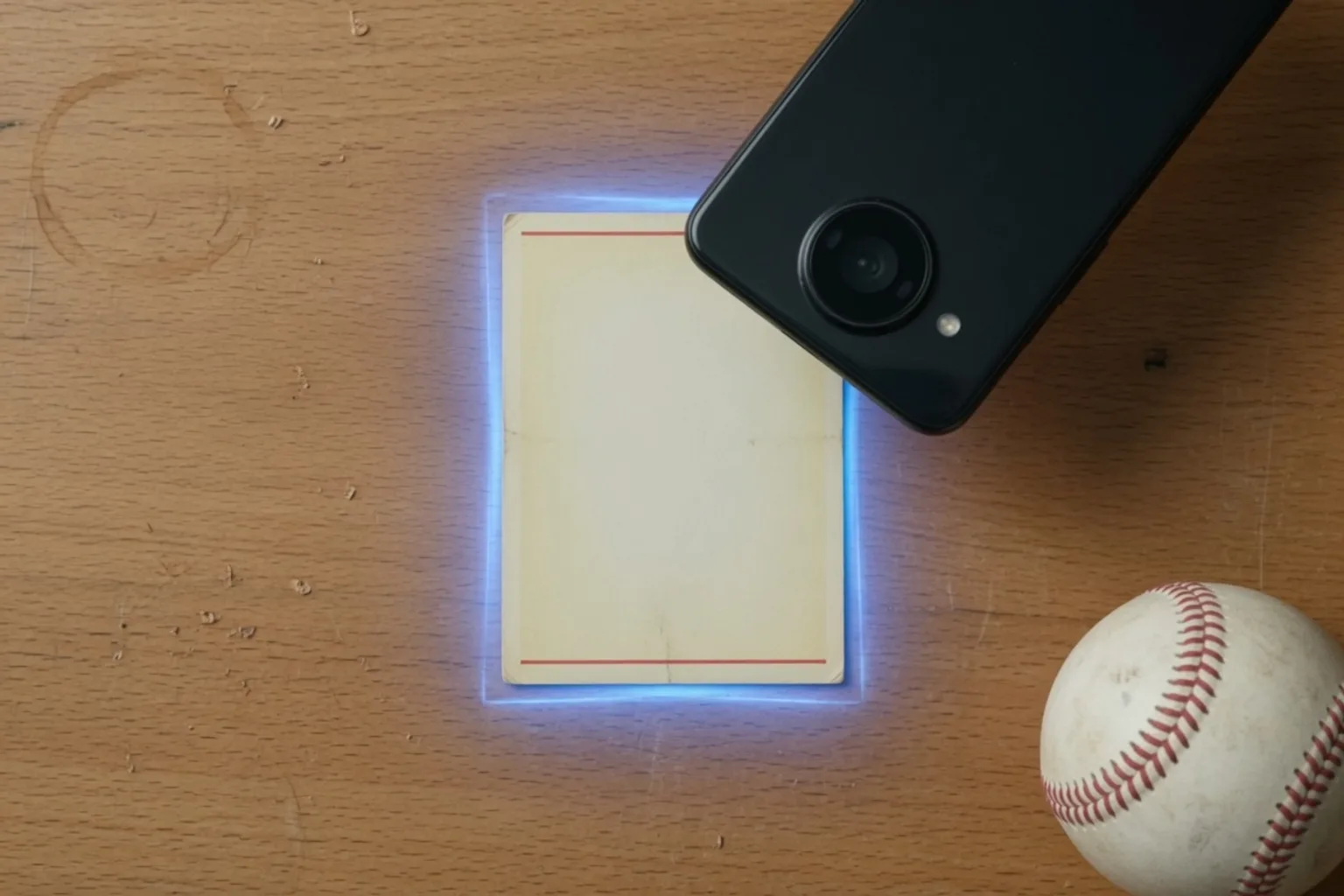
If you would rather skip the manual search, scan baseball cards with CardSense. The app reads player, team, year, set, card number, and rarity, including rookies, inserts, parallels, autographs, and memorabilia, then shows an estimate from recent eBay sales.
What about basketball cards?
The same signs apply to NBA cardboard: star rookies, condition, scarce parallels, autographs, high grades, and recent sold demand. Modern basketball sets print the same rookie many ways, so the parallel is often the whole job. This page stays a baseball checklist. For NBA-specific eras and inserts, use the basketball card values guide.
Sources
FAQ
Baseball checklist FAQ
Are baseball cards from the 1980s and 1990s worth anything?
Most mass-produced cards from the late 1980s and early 1990s, often called the junk wax era, are worth little because so many copies were printed. Exceptions are key rookies of stars in excellent condition, plus scarcer premium issues. Age alone is not a value signal.
How do I know if my baseball card is rare?
Look for a serial number, a short-print or parallel mark, an autograph or memorabilia swatch, or an older issue that did not survive in large numbers. A common from a mass-produced set is not rare just because it is old. Confirm the exact set and number, then check how often that version actually sells.
Is it worth getting my baseball cards graded?
Only when the expected graded sale price, minus the fee and shipping, clearly beats the raw sale price. Most modern base cards and junk-wax commons do not clear that bar. Price the card raw first, then read the grading cost section before you submit.
Where can I see what a baseball card sold for?
Look at completed sales of the same card in similar condition, not asking prices. CardSense identifies the card from a photo and shows an estimate from recent eBay sales, with average, median, range, and price history.
What basketball cards are worth money?
The same signs apply: star rookies, strong condition, scarce parallels, autographs, and high grades. Modern NBA sets print the same photo many ways, so the exact parallel matters even more. This page stays on baseball; the basketball values guide covers NBA cardboard.